
Why is incense used in the Christian tradition?


Since the earliest times of the Bible, incense has accompanied prayer and the worship of God. Its delicate fragrance and rising smoke have crossed the centuries to become a powerful symbol of the Christian tradition.
Today it is still used in many liturgical celebrations, and it also has a place in the personal prayer of some of the faithful.
But what is its true meaning? Why does the Church still use incense?
If you would like to discover the different types of incense and accessories used for prayer, take a look at our collection of religious incense, incense grains and censers.
A tradition that goes back to the Bible
The use of incense in worship is mentioned many times in Holy Scripture.
In the Old Testament, God asks Moses to prepare a special incense for worship (Exodus 30:34-38). It was offered in the Temple as a sign of respect, praise and adoration.
Psalm 141 expresses this symbolism in these words:
“Let my prayer be counted as incense before you.” (Ps 141:2)
This image has remained deeply rooted in the Christian tradition.
Incense offered to Jesus by the Magi
Incense also appears from the very first moments of Christ's life.
In the Gospel of Saint Matthew, the Magi offer three gifts to the Infant Jesus:
gold, a symbol of his kingship;
frankincense, which acknowledges his divinity;
myrrh, already foretelling his Passion.
This gesture shows that incense has long been associated with the adoration of Christ. Read more in our article Gold, frankincense and myrrh: the meaning of the Magi's gifts.
What does incense symbolise in the liturgy?
When the priest incenses the altar, the Gospel book, the cross or the congregation, the gesture has a deeply spiritual meaning.
The rising smoke evokes the prayers of the faithful ascending to God.
Incense is also a sign of:
honour given to Christ;
respect for the Word of God;
purification;
recollection;
solemnity at great celebrations.
It invites everyone to enter more deeply into the mystery being celebrated.
Incense in personal prayer
Outside the liturgy, some Catholics choose to use a little incense during their prayer time at home.
It is neither an obligation nor an essential practice. Many people simply pray in silence.
For those who wish, however, incense can help create a peaceful atmosphere, conducive to recollection and to meditating on the Word of God.
It should always be used simply, without attributing any magical or superstitious value to it.
Which incense to choose?
Incense comes in several forms. The most traditional are:
incense grains (resin), used with charcoal and a censer – see the incense grain ritual;
incense sticks, fragrant blends inspired by liturgical traditions (100% natural) – see the incense stick ritual.
Each variety has its own fragrance, but their purpose remains the same: to accompany a moment of prayer or meditation.
How to use a censer
Incense grains are placed on a glowing charcoal in a censer. A few grains are enough to release their fragrance slowly.
As with any flame, care is needed:
place the censer on a stable surface;
keep it out of reach of children;
never leave the charcoal unattended;
air the room well after use.
In our shop you will find several models of traditional censers suitable for incense grains.
Incense: a sign that invites recollection
Incense never replaces prayer. It does not act by itself and has no special power.
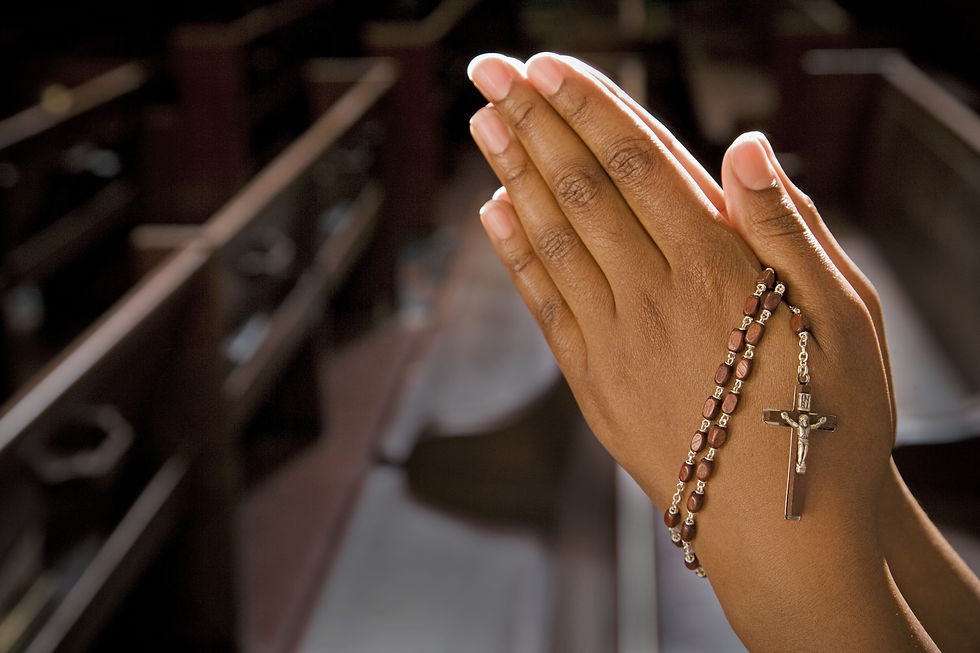
In the Catholic tradition, it is simply a visible sign that helps us enter into an attitude of respect, adoration and silence before God. Like a candle, an icon or a rosary, it can accompany prayer without ever taking its place.
In conclusion
Used for thousands of years, incense remains a powerful symbol of the Christian tradition. Its smoke recalls the prayers rising to God and invites the faithful to live their times of recollection with greater serenity.
Whether used in liturgical celebrations or, for some, in personal prayer, it remains above all a sign of faith, respect and adoration.


Comments